Story, Peter Tasi
In a landmark commitment to bolster girls' educational, key stakeholders in the North West Region, have pledged to embed Menstrual Hygiene Management (MHM) as priority within the school system.
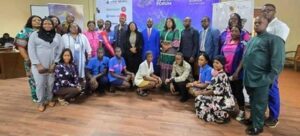
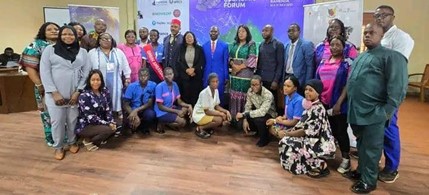
The pivotal decision emerged from a high-level policy meeting held recently at the North West Regional Assembly in Bamenda. The urgent need for the policy shift was underscored based on alarming statistics. According to UNESCO, one in ten girls in Sub-Saharan Africa miss school during their menstrual periods, cumulatively losing approximately 20% of their annual learning time.
The significant educational setback is largely attributed to inadequate menstrual hygiene facilities, poor sanitation, and persistent stigma in schools, leading to absenteeism, reduced participation, and a decline in self-confidence among adolescent girls.
Saidouna Ali, the Secretary General at the Governor's Office, chaired discussions. The session was organized by eBASE Africa with support from the Education Endowment Foundation and in partnership with UN Women, CAGEAD, and other vital organizations, focused on evaluating the profound impact of a large-scale MHM intervention.
Comprehensive Intervention Bears Fruit
Officials revealed that the intervention reached over 20,000 adolescent girls across 40 schools in Cameroon’s education priority zones, including the East, North West, Far North, and South West Regions.
Coordinated by eBASE Africa and implemented by dedicated partners such as CAGEAD (North West), FERAFEN (Far North), KMERPAD (East), and AMEF (South West), the initiative, officials said, adopted a robust four-pillar approach.
The multifaceted strategy included providing MHM-friendly toilets and waste management facilities, distributing essential dignity kits containing pads, pants, and painkillers, building teacher capacity through specialized training, and conducting extensive sensitization campaigns. It debunks harmful menstrual myths and reduce stigma among both boys and the wider community.
The transformative effects of the intervention, officials said, are vividly illustrated through the experiences of students.
Testimonies
Masanga Marcella-Bright, student of Government Bilingual High School, GBHS Bamenda, shared her journey with newfound confidence. "I was always afraid of getting stained in school and being laughed at. It affected my participation in class," she recounted, adding that: "With this project, we now have dignity kits, painkillers, and water in school toilets. Even the boys no longer laugh at us because they have been educated on menstruation”.
Her testimony, it was said, highlights, the direct link between improved MHM and enhanced academic engagement.
Shifting Perceptions Among Boys
Crucially, the educational component of the project, it was stated, also extended its positive influence to male students, fostering a more understanding and supportive school environment.
Nangwe Elisha, a male student in the Motor Mechanic Department, candidly admitted: "Before the eBASE program, we mocked girls when they were stained. Now I understand menstruation is natural, and I even assist my female classmates by helping them get pads from the school nurse”.
His statement exemplifies the powerful shift in perception and behavior, moving from ridicule to empathy and active support.
The policy event presented compelling evaluation findings, meticulously gathered by a consortium including ASOWWIP and NatCen. The findings, presenters stated, unequivocally demonstrated improved school attendance rates, a significant reduction in absenteeism during menstruation.
Gains also include positive behavioral changes among teachers, parents, and male students, validating the efficacy of the comprehensive approach.
Commitment To Lasting Change
The North West Regional Assembly, represented by its Commissioners of Health and Education, expressed their unwavering commitment to the sustainability of these crucial initiatives.
Dr. Sakah Fondufe Lydia, Commissioner for Health and Social Development, representing the President of the North West Regional Assembly, assured stakeholders of the Assembly's openness to future collaborations.
"We believe in sustainability. Let these results shape policies to benefit our girls and the nation," she affirmed, emphasizing the long-term vision for creating truly conducive learning environments for all.
The session also delved into strategies for integrating MHM seamlessly into Cameroon’s Clean and Safe School Philosophy, a paramount initiative championed by MINEDUC. Discussions included exploring alternative approaches to strengthen MHM interventions and mapping out new priorities for national policy.
The event culminated in productive working group sessions, allowing for vital feedback sharing and networking among education policymakers, development actors, and subnational stakeholders.